 PetCalculator.net
How Much to Feed a Australian Shepherd
Get a precise daily feeding amount for your Australian Shepherd based on veterinary RER/MER formulas, adjusted for their weight, life stage, and activity level. Free, no sign-up.
Calculate My Shepherd's Portion
Free • No sign-up • Vet formula-based
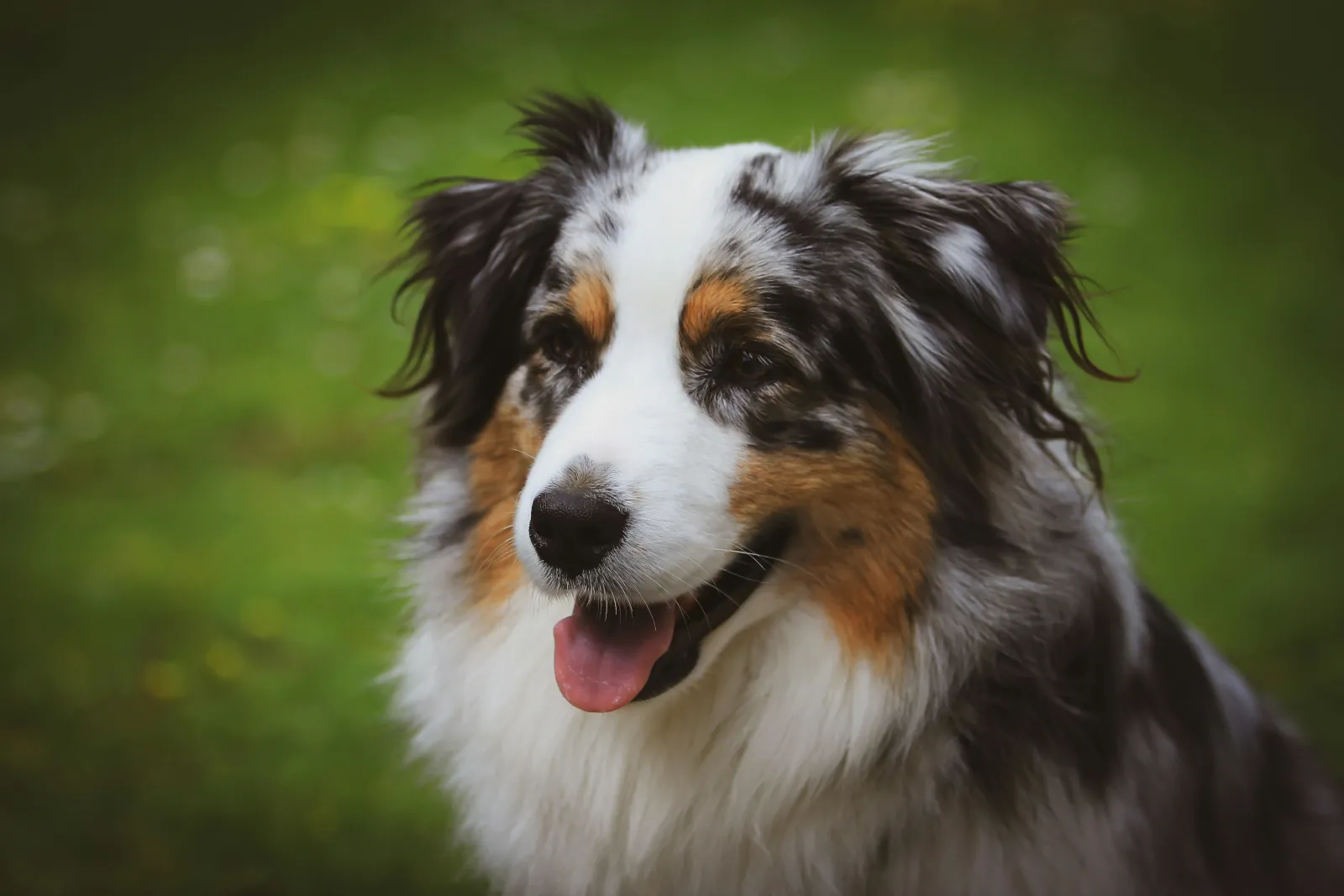
Australian Shepherd at a glance
- Breed Group Herding
- Adult Weight 40–65 lb
- Male 50–65 lb
- Female 40–55 lb
Life stage timeline
Feeding considerations
As with other high drive herding breeds, an Australian Shepherd's true calorie needs track much more closely with actual activity level than with weight alone, so an honest assessment of exercise is more important here than for a lower energy breed. This is general guidance, not a substitute for advice from your veterinarian. Not medical advice, consult your vet.
Energy & temperament
Smart, energetic, and bred for demanding herding work, Australian Shepherds share the Border Collie's need for real physical and mental activity. A bored or under stimulated Aussie tends toward destructive or anxious behavior rather than calm.
Health & feeding notes
Body condition is easy to miss under the coat
Australian Shepherds carry a lean, athletic build, but their dense double coat can hide early weight gain from a simple visual check. A hands on rib check, feeling for ribs without pressing hard through padding, is far more reliable than eyeballing the waistline. Because their calorie needs shift so much with activity, an Aussie that moves from working or intense daily exercise to a quieter routine can gain weight quickly on a feeding amount that used to be appropriate. Reassessing portions every few months as activity changes helps keep them at a healthy weight.
Puppy growth benefits from restraint, not maximum calories
Australian Shepherd puppies often land right around the line that separates medium and large breed feeding guidance, and some individuals cross it. Feeding for steady, moderate growth rather than the fastest possible growth reduces mechanical stress on joints that are still developing. A puppy that looks lean through this stage, rather than round or chunky, is generally on a healthier growth trajectory. Work with your veterinarian on the specific product and portion for your puppy's build.
Working and companion Aussies are not the same dog at the food bowl
Australian Shepherds bred and kept for active herding work can have real, sustained energy demands that scale well above a typical companion dog of the same weight. A companion or show line Aussie, even one with plenty of drive, usually settles into a lower and more predictable activity pattern. Feeding a working level of calories to a dog living a companion lifestyle is one of the more common ways this breed ends up overweight. Match the feeding amount to the dog's actual daily activity, not to the breed's working reputation.
Joint health deserves attention even without an obvious limp
Hip and elbow dysplasia are documented concerns in the breed through voluntary screening registries. Because participation in these registries is voluntary, owners are believed to submit normal results more often than abnormal ones, so published rates likely understate the true frequency in the breed. Keeping an Australian Shepherd lean throughout life, and especially during growth, is one of the few things an owner can control that reduces added strain on joints that may already carry some inherited laxity.
Senior feeding considerations start earlier than the breed's lifespan suggests
A large breed health survey of Australian Shepherds found that hemangiosarcoma and lymphoma, two heritable cancers common in the breed, account for a substantial share of non accidental deaths, and both tend to strike during what would otherwise be a dog's middle years rather than only in old age. That pattern is why senior style feeding considerations, such as adjusted calories and joint support, are worth introducing around age 7 rather than waiting for the later senior age often used for other breeds this size. Individual longevity still varies widely, and many Australian Shepherds live well past their early teens.
Merle coloring adds a sun exposure consideration
Australian Shepherds with extensive merle patterning, particularly dogs with two copies of the merle gene, often have areas of skin with little pigment protection. Those areas are more sensitive to prolonged sun exposure over the dog's life. This isn't a feeding issue directly, but it's worth knowing alongside general health care for lighter colored or heavily merled dogs.
Skin issues in this breed are more often environmental than food related
Australian Shepherds are not considered a breed with a strong predisposition to food allergies. Itching or skin irritation in this breed is more often traced to environmental or seasonal allergens than to ingredients in the diet. That said, any dog can develop a genuine food sensitivity, and a persistent skin or digestive issue is worth ruling out with a veterinarian regardless of breed reputation.
Shepherd Feeding FAQ
How much should I feed an Australian Shepherd puppy?
Australian Shepherd puppies typically eat 3 to 4 meals a day through about 6 months, then taper to 2 meals. Enter your puppy's current weight and age into the calculator above for an exact daily amount.
How much should an adult Australian Shepherd eat per day?
Most adult Australian Shepherds need roughly 2 to 3 cups of a quality dry food per day, split into two meals, though a working or highly active dog can need more. Use the calculator above with an accurate activity level for a precise number.
At what age does an Australian Shepherd become a senior for feeding purposes?
Around 7 years, earlier than the generic size based estimate used for many medium to large breeds. Breed health survey data shows hemangiosarcoma and lymphoma, two cancers common in Australian Shepherds, often develop during what would otherwise be the dog's middle years, which supports introducing senior style feeding considerations sooner rather than later.
Do working Australian Shepherds need more food than companion Aussies?
Often significantly more. A dog doing real herding work, agility, or similarly sustained activity can need meaningfully more calories than a companion Aussie of the same weight living a quieter lifestyle. Feeding a working amount to a companion dog is a common cause of weight gain in this breed. Match the amount to actual daily activity, not the breed's reputation.
Does spaying or neutering change how much my Australian Shepherd needs to eat?
Yes. Neutering or spaying typically lowers a dog's calorie needs due to hormonal and metabolic changes, so portions usually need to come down afterward to avoid rapid weight gain. Re-check your dog's amount with the calculator after the procedure.
Why is checking body condition by eye unreliable for this breed?
The Australian Shepherd's thick double coat can hide a thickening waistline or early fat gain from a simple visual check. A hands on rib check, feeling for ribs without heavy pressure through the coat, gives a much more accurate picture than looking at the dog's silhouette.
Do Australian Shepherds have joint problems that affect how I should feed them?
Hip and elbow dysplasia are documented concerns in the breed. While genetics play the largest role, keeping an Australian Shepherd lean, particularly during the puppy growth phase, is one of the few controllable factors that reduces additional strain on joints.
Should I feed my Australian Shepherd once a day or split it into two meals?
Twice a day is generally recommended over one large meal, for steadier energy and easier digestion across an active day.