 PetCalculator.net
How Much to Feed a Beagle
Get a precise daily feeding amount for your Beagle based on veterinary RER/MER formulas, adjusted for their weight, life stage, and activity level. Free, no sign-up.
Free • No sign-up • Vet formula-based
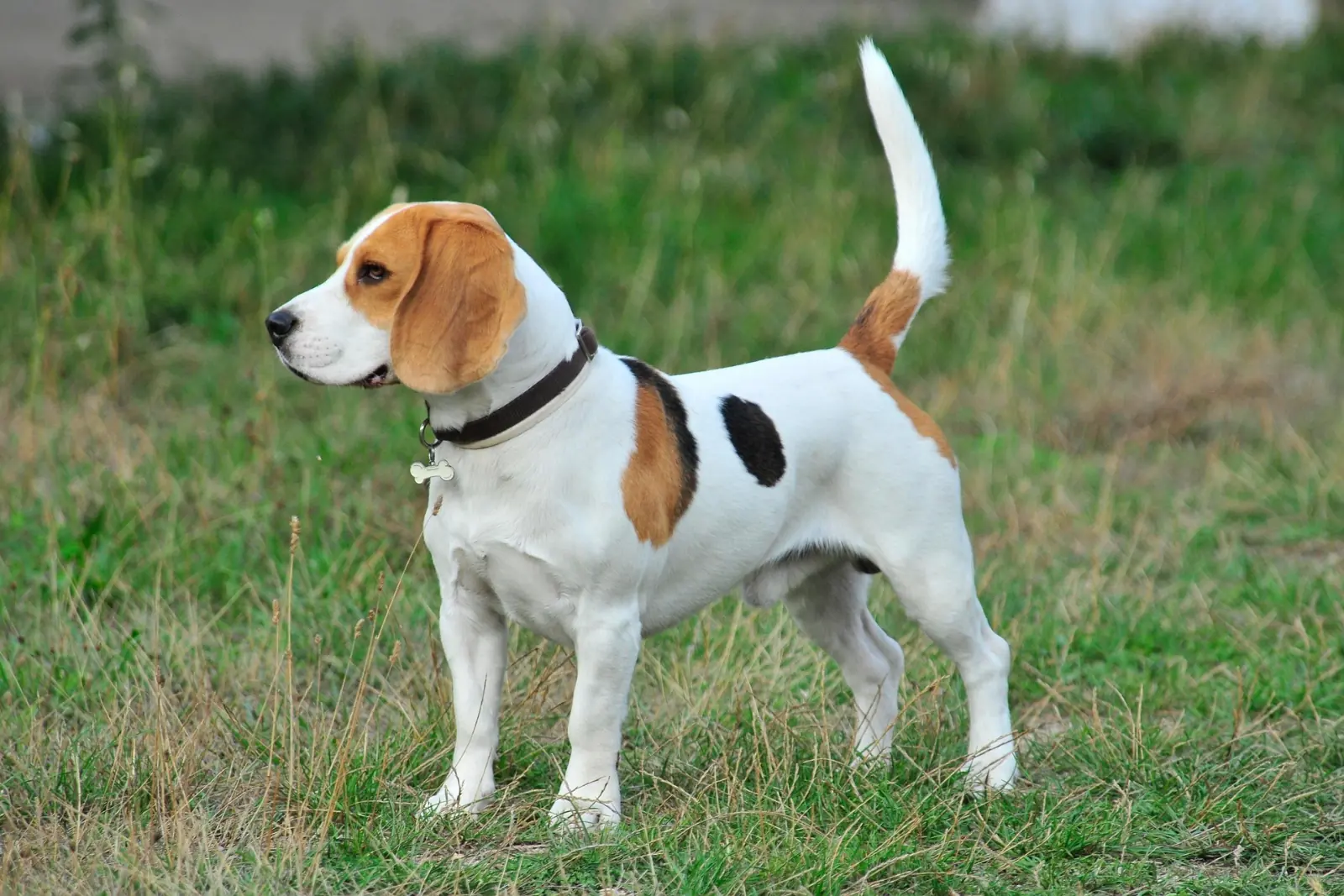
Beagle at a glance
- Breed Group Hound
- Adult Weight 18–30 lb
- Male 20–30 lb
- Female 18–28 lb
Life stage timeline
Feeding considerations
Beagles are one of the breeds most associated with counter surfing and garbage raiding, so consistent feeding and firm limits on scraps matter more here than the actual meal portion itself. This is general guidance, not a substitute for advice from your veterinarian. Not medical advice, consult your vet.
Energy & temperament
Friendly, scent driven, and famously food motivated, Beagles were bred to follow a trail for hours and that same persistence often shows up at mealtimes and around the kitchen counter. Their nose can lead them into scavenging behavior that undermines careful portioning.
Health & feeding notes
Built for stamina, not built for jumping
Beagles were developed to track scent for hours across rough terrain, and that cardiovascular endurance is real. Most healthy adult Beagles can comfortably handle an hour or two of walking, hiking, or scent work a day. But their body doesn't match their engine. Beagles carry a genetic trait that shortens and curves their limbs relative to their body length, the same trait behind their build, and it also causes their spinal discs to calcify and stiffen earlier than in longer legged breeds. That makes them prone to a specific kind of disc injury where a hardened disc ruptures into the spinal canal, sometimes suddenly. Long walks and steady scent driven exercise are good for a Beagle. Repeated jumping onto furniture, stairs, or rough impact play are the things to limit, and keeping a Beagle lean matters more here than in most breeds since carrying extra weight measurably raises the risk of a disc injury.
The genetics behind the begging
If your Beagle seems like it's never full, that isn't just personality. A UK veterinary study following over 22,000 dogs found Beagles were nearly three times as likely as mixed breed dogs to be classified as overweight by their vet, and a separate breed specific study put diagnosed obesity in pet Beagles at close to one in four. Researchers have traced part of this to variations in a gene called MC4R, which helps regulate appetite signaling in the brain. Beagles with certain versions of this gene simply don't feel full the way other dogs do at the same calorie intake. This is a documented predisposition, not a training failure, which is why measured meals, consistent portions, and limiting free access to food matter more for this breed than almost any other.
Spotting weight gain under that coat
A Beagle's short, dense coat and naturally stocky, muscular build make early weight gain easy to miss just by looking. Owners often read a thickening waist as normal sturdiness rather than fat. The more reliable check is running your hands along the ribs. You should be able to feel each rib easily under a thin layer of tissue, with a visible tuck where the belly rises up behind the ribcage. If you have to press firmly to find the ribs, or the waist tuck has disappeared, it's worth adjusting portions. Body condition is what matters here, not just the number on a scale, since a taller, heavier boned Beagle can be lean at a weight that would be overweight on a smaller framed dog of the same breed.
Puppy growth and the switch to adult food
Beagle puppies grow quickly through their first six months, and most reach close to their adult skeletal size by twelve to eighteen months. Veterinary guidance is to keep puppies on a growth formula, not adult food, until around twelve months old, since growth diets carry the calcium, phosphorus, and calorie density puppies need while their bones are still developing. Switching to adult food earlier than that, even to solve loose stools or high energy, can shortchange that final stretch of bone development. When you do make the switch, doing it gradually over about a week helps avoid an upset stomach.
Two health conditions worth knowing about
Beagles have a well documented tendency toward primary hypothyroidism, an immune condition where the body gradually stops making enough thyroid hormone. It slows metabolism and can cause weight gain even when portions haven't changed, so unexplained weight gain in a Beagle is worth a vet visit and a thyroid check rather than an immediate diet change. Beagles are also one of several breeds where idiopathic epilepsy shows up more than in the general dog population, typically starting somewhere between six months and six years of age. Much of what's known about epilepsy rates in the breed comes from older research colonies rather than pet populations, so exact odds for a typical companion Beagle aren't well established, but it's a real enough pattern that unexplained seizures in a Beagle warrant prompt veterinary attention.
What changes as your Beagle ages
Beagles are typically considered seniors somewhere around eight to nine years old, though that figure comes from general size based guidelines rather than research specific to the breed, since no Beagle specific study has pinned down exact senior onset. As they age, metabolism slows and lean muscle naturally declines, which means the same portion that maintained their weight as an adult will often start packing on pounds. Diets with quality protein and joint support nutrients like omega-3s and glucosamine can help offset both the weight gain risk and the joint wear that shows up more in a chondrodystrophic breed like the Beagle. If your Beagle has a history of obesity or existing joint or back issues, some vets recommend starting senior screening a year or two earlier than the general guideline.
Beagle Feeding FAQ
How much should I feed a Beagle puppy?
Beagle puppies typically eat 3 to 4 meals a day through about 6 months, then taper to 2 meals a day as they approach a year old. Enter your puppy's current weight and age into the calculator above for an exact daily amount.
How much should an adult Beagle eat per day?
Most adult Beagles need roughly 1.5 to 2.5 cups of a quality dry food per day, split into two meals, but the right amount depends on your dog's weight, activity level, and the food's calorie density. Use the calculator above for a precise number rather than a generic estimate.
Why does my Beagle act like it's never full?
Beagles are one of the breeds most strongly linked to a genetic variation in appetite regulation, so the constant food seeking isn't just behavior, it has a documented biological basis. That's exactly why measured, scheduled meals matter more for this breed than for most, since a Beagle left to self regulate around food typically won't.
Should I feed my Beagle once a day or twice?
Twice a day is the better default for most Beagles. It keeps blood sugar and stomach acid more stable between meals, and it takes some pressure off a breed that already tends to beg and scavenge between feedings. Some recent research has found dogs fed once daily show fewer age related health issues on average, but that finding is correlational, and for a food motivated breed like the Beagle, twice daily scheduled meals are still the more practical choice.
Why is my Beagle prone to gaining weight?
Beagles are consistently ranked among the dog breeds most likely to become overweight in veterinary studies, with one large UK study putting their odds of being overweight at nearly three times that of a mixed breed dog. Some of this traces back to a gene involved in appetite signaling that's more common in Beagles than in most breeds. Consistent portions and limiting scraps matter more for keeping a Beagle lean than for almost any other breed.
How can I tell if my Beagle is overweight if I can't easily see its ribs?
Look with your hands, not just your eyes. A Beagle's dense coat and naturally stocky build can hide early weight gain, so run your palm along the ribcage. You should feel each rib clearly under a thin layer of tissue. If you have to press firmly to find the ribs, or your Beagle has lost its waist tuck, it's time to reassess portions.
Does activity level change how much my Beagle needs, and are there limits on their exercise?
Yes, an active Beagle used for field work or long daily walks needs more calories than a mostly sedentary one at the same weight, and the calculator's activity step accounts for that. That said, Beagles carry a genetic trait that makes their spinal discs prone to early wear, so while long walks and scent work are great for them, it's worth limiting repeated jumping and high impact activity regardless of how much stamina they seem to have.
What should change about my Beagle's diet as they age?
As Beagles reach their senior years, generally around eight to nine years old, their metabolism slows and they typically need fewer calories to maintain the same weight. Diets with quality protein and added joint support can help manage both the weight gain and joint wear that tend to show up in senior Beagles. If your Beagle already carries extra weight or has joint issues, talk to your vet about starting senior care a bit earlier.